
Climb Mount Kilimanjaro Guide | Routes, Cost & Tips
Climb Mount Kilimanjaro Guide: Routes, Costs & Essential Tips
Climb Mount Kilimanjaro Guide begins with one important fact: almost anyone with average fitness, proper preparation, and strong determination can successfully reach the summit of Mount Kilimanjaro. It is a non-technical trek, meaning no mountaineering experience or specialized climbing skills are required. Every year, climbers aged 10 and above—including people in their 60s and 70s—reach Uhuru Peak with the support of experienced guide
The key to a successful climb is choosing the right route, allowing enough time for acclimatization, and preparing both physically and mentally. Regular hiking, cardio training, and a positive mindset will greatly improve your chances of reaching the summit safely.
Climb Mount Kilimanjaro Guide: Key Considerations for Success
- Physical Fitness: Good overall fitness is recommended. Prepare with hiking, walking, or cardio exercises for at least two months before your climb.
- No Technical Experience Required: Mount Kilimanjaro is a hiking adventure, so ropes and technical climbing skills are not necessary.
- Altitude is the Biggest Challenge: The main obstacle is altitude sickness rather than the terrain. Choosing a 7- or 8-day route gives your body more time to acclimatize.
- Age Requirements: Children must be at least 10 years old, and older climbers should consult their doctor before traveling.
- Mental Determination: A positive attitude and determination are just as important as physical fitness, especially during the final ascent to Uhuru Peak.
What is the weather like on Mount Kilimanjaro?
Mount Kilimanjaro is climbable all year round, but the best time to climb is during the dry seasons.
The most popular and recommended months are December to March and September to October, when the weather is generally warmer, drier, and skies are clearer offering the best trekking conditions and views.
The second-best period is June to August, which is also dry but tends to be colder, especially at higher altitudes. These months are still very good for climbing, but you should be prepared for lower temperatures. July and August are also the busiest trekking months.
A unique experience is timing your summit attempt around a full moon. The moonlight makes the trail more visible at night, reducing the need for headlamps and creating a stunning atmosphere. However, the bright moonlight can make it harder to see stars, and it may affect sleep due to increased brightness in camps.
What is the weather like on Mount Kilimanjaro?
Mount Kilimanjaro has a wide range of weather conditions due to its different climate zones, from tropical forest at the base to arctic conditions at the summit.
At the lower slopes, temperatures typically range from 25°C to 30°C, and the weather is often warm, humid, and sometimes rainy.
As you ascend, temperatures drop significantly. At the summit, conditions can reach -15°C to -20°C, or even lower with wind chill, especially during the night and early morning.
Rain and snow can occur at any time of the year, although the dry seasons are generally more stable and preferred for climbing. Higher altitudes often have snow, ice, and strong winds, making proper gear essential for safety and comfort.
How difficult is it to climb Mount Kilimanjaro?
Climbing Mount Kilimanjaro does not require technical mountaineering or climbing experience, which makes it different from many other high-altitude peaks. Most routes are trekking paths rather than technical climbs.
However, it is still a physically demanding high-altitude trek. A person with good basic fitness, proper preparation, and mental determination has a strong chance of reaching the summit, especially with gradual acclimatization over several days.
Most of the trek is manageable for hikers who have trained with long-distance walking or multi-day hikes. The most challenging part is usually summit night, when climbers hike for several hours in cold, dark, and low-oxygen conditions.
The biggest challenge on Kilimanjaro is not the terrain, but altitude sickness, which affects people regardless of fitness level. Proper pacing, hydration, and choosing the right route significantly improve summit success rates.
Which Kilimanjaro route should I take?
Choosing the right route on Mount Kilimanjaro depends mainly on your preferred trekking experience, number of days, daily hiking distance, and sleeping style.
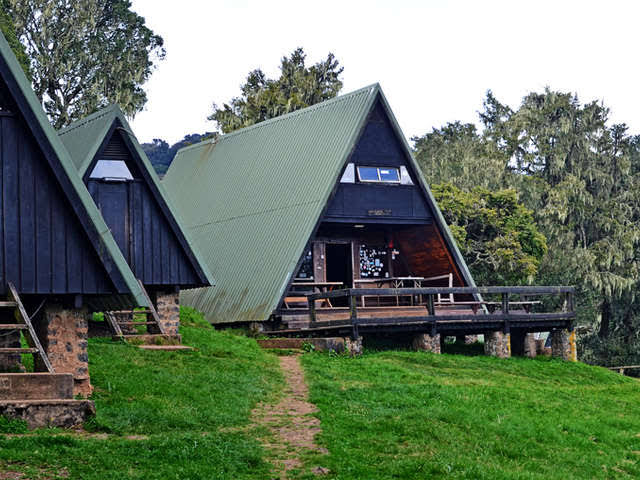
The Marangu Route is the only route where climbers sleep in mountain huts with basic beds, making it a popular choice for those who prefer more comfort.
All other routes use camping in tents, offering a more immersive wilderness experience.
The most popular routes are the Marangu Route and the Machame Route, both well-established and widely used by climbers.
Rongai Route is a quieter option with fewer crowds, offering a more peaceful ascent from the northern side of the mountain.
Lemosho Route is ideal for those who want a longer and more gradual climb (typically 7–8+ days), which can improve acclimatization and summit success rates.
All Kilimanjaro routes are non-technical trekking routes, meaning no mountaineering experience is required. However, they differ in length, scenery, crowd levels, and overall difficulty
How long does it take to reach the summit on summit day?
On Mount Kilimanjaro, summit day timing depends on your route, starting camp, and personal pace.
The ascent from the final camp to Uhuru Peak typically takes about 6 to 9 hours, usually starting around midnight or very early morning. After reaching the summit, climbers still need to descend back to a lower camp, which can take an additional 4 to 6 hours.
In total, summit day is often a 10 to 15+ hour push, making it the most challenging and demanding part of the entire climb.
Slow and steady pacing is essential, as altitude and fatigue play a major role in how difficult this day feels.
How do I cope with a change in altitude?
When climbing Mount Kilimanjaro, the most important strategy for coping with altitude is to walk slowly and steadily from start to finish. A gradual pace helps your body adjust to reduced oxygen levels as you gain elevation.
Climbers are often advised to follow the local guiding principle of “pole pole”, which means slowly, slowly. Maintaining this pace reduces fatigue and gives your body more time to acclimatize.
Even if your itinerary includes extra acclimatization days, the same rule applies—going too fast early on can make symptoms of altitude sickness worse later in the climb.
Some climbers also use acetazolamide (Diamox), a prescription medication that may help reduce the effects of altitude sickness. This should only be taken after consulting a qualified healthcare professional before your trip.
Proper hydration, steady pacing, and listening to your guide are key factors in adjusting safely to high altitude conditions.
How big will my group be?
On climbs of Mount Kilimanjaro, group sizes are typically limited to around 10 climbers per team for safety, comfort, and better guiding experience.
In some cases, smaller groups starting the same route on the same date may be combined, while still respecting the maximum group size.
Solo travelers are welcome, and we do our best to match individuals with existing groups. However, joining a group cannot always be guaranteed, depending on availability.
Private climbs can also be arranged for those who prefer a more personal experience, and we can organize expeditions for both small and large groups depending on your travel needs.
How many guides, porters, and cooks will accompany us?
On climbs of Mount Kilimanjaro, team support is carefully organized to ensure safety, comfort, and success on the mountain.
Guide and cook ratios:
- Approximately 1 guide per 2 hikers
- Approximately 1 assistant guide per 3 hikers
- Approximately 1 cook per 8 hikers
Porter support varies depending on the route and duration:
- Marangu Route (5 days) and Mount Meru climbs: around 2 porters per hiker (minimum group support applies)
- 6–7 day routes: around 3 porters per hiker
- 8-day Lemosho Route: around 4 porters per hiker
In some cases, additional porters may be assigned depending on group size, route conditions, and luggage weight to ensure all equipment is carried safely and comfortably.
What happens if someone becomes ill or needs to descend early? Are there refunds or extra charges?
On climbs of Mount Kilimanjaro, all climbers are required to pay a rescue fee to Kilimanjaro National Park, which is already included in your trip cost.
If a climber becomes ill or injured and is unable to continue, our trained guide team will assist them safely down the mountain. Typically, one guide and supporting porters will accompany the climber back to a lower altitude or to the park gate, while the rest of the group continues the ascent.
There is no additional charge for the descent assistance to the gate or return to the hotel. However, no refund is issued for unused days on the mountain once the climb has started.
Any medical treatment, hospital visits, or additional hotel nights after descent are the responsibility of the climber. For this reason, we strongly recommend comprehensive travel insurance that covers medical emergencies, evacuation, and trip interruptions.
What additional costs can I expect when traveling with you?
When booking a climb on Mount Kilimanjaro, most major costs are included in your package. However, there are a few additional expenses you should plan for:
1. Tips for the mountain crew
Gratuities for your guides, cooks, and porters are not included in the package price and are an important part of supporting the team.
2. Optional equipment rental
If needed, you can rent gear such as sleeping bags, trekking poles, or other personal hiking equipment.
3. Extra accommodation and meals
Additional hotel nights and meals in Moshi or Arusha (outside the included nights in your itinerary) are not included.
4. Flights and transport
International flights to Tanzania, as well as any domestic flights, are not included in the package.
5. Personal expenses
This includes items such as visa fees, airport taxes, souvenirs, and any other personal spending during your trip.
Can I use a credit card to pay for my climb?
Yes, we accept major credit cards including Visa, MasterCard, and American Express through the Great Time Experience Adventures payment gateway.
All payments are processed securely to ensure your transaction is safe and convenient when booking your climb on Mount Kilimanjaro.
What is the deposit amount to hold my climb?
To secure your booking for a climb on Mount Kilimanjaro, the following deposit terms apply:
- A 20% deposit is required at the time of booking for a Kilimanjaro climb reservation.
- A 20% deposit is required at the time of booking for a Tanzania camping safari reservation.
- A 50% deposit is required at the time of booking for a Tanzania lodge or tented lodge safari reservation.
These deposits confirm your reservation and allow us to secure permits, accommodations, and logistics for your trip.
When do I need to pay the balance of my trip?
For bookings with Mount Kilimanjaro and related Tanzania tours, the final payment schedule depends on the type of trip:
- Kilimanjaro climbing tours: Final balance is due 21 days before arrival in Tanzania.
- Tanzania camping safaris: Final balance is due 21 days before arrival in Tanzania.
- Tanzania lodge or tented lodge safaris: Final balance is due 91 days before arrival in Tanzania.
These timelines ensure all arrangements, including permits, accommodation, and logistics, are confirmed in advance for a smooth travel experience.
Do you cancel or charge more in case other people cancel a trip?
Climbs on Mount Kilimanjaro are designed to operate as scheduled, and we do our best to ensure all departures go ahead as planned.
We do not cancel trips due to normal participant changes. However, if the number of climbers in a group falls below the minimum required group size, we may need to adjust the pricing or offer alternative arrangements, such as joining another group or upgrading to a private climb.
In all cases, we aim to provide clear options in advance so you can choose what works best for your travel plans.
Before booking
Preparing for Kilimanjaro


Kilimanjaro Climbing Packages
Climbing Mount Kilimanjaro is a truly once-in-a-lifetime adventure and one of the most iconic trekking experiences in the world.
At Great Time Experience Adventures, we offer carefully designed climbing packages to suit different travel styles, budgets, and comfort levels. Whether you are looking for a mid-range group climb or a more luxury private expedition, we have options to match your needs.
All our packages are organized with experienced local guides, quality equipment, and full support to ensure a safe, enjoyable, and successful summit experience.
Request a Free Kilimanjaro Climbing Quote
Receive a free, customized Kilimanjaro climbing quote from our experienced local experts. We’ll help you choose the best route, itinerary, and package for an unforgettable summit experience. Whether you prefer a luxury or mid-range climb, we have options tailored to your needs. Request your free quote today and start planning your adventure.

Where to Stay
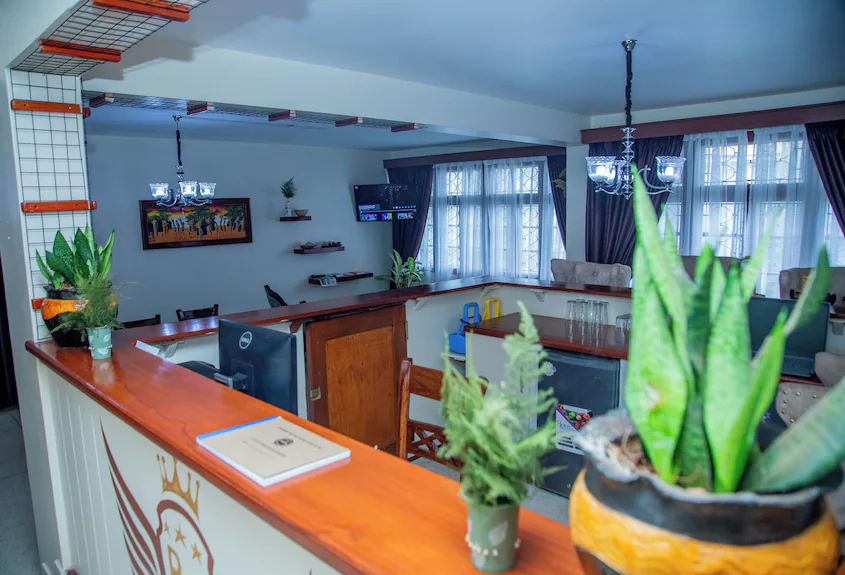
Stay in comfortable hotels before and after your climb. On the mountain, you’ll sleep in mountain huts on the Marangu Route or quality camping tents on all other Kilimanjaro routes.

What Travelers Say About Us
Traveler Reviews & Testimonials
Verified
Ngorongoro Crater and Lake manyara Awesome Experience. Une très belle aventure aux côtés de Great Time Experience, Notre passage par le cratère du Ngorongoro et le parc national du lac Manyara reste un moment suspendu. Les paysages coupent le souffle, et voir toute cette vie sauvage d'aussi près est une expérience qui touche en plein cœur. Un immense merci à notre guide, Mofoi au-delà de saconnaissance parfaite du terrain, c'est sa gentillesse naturelle, son attention de tous les instants et sa chaleur humaine qui ont fait toute la différence. On s'est sentis écoutés, choyés, au milieu d'une organisation fluide et d'une ambiance simple et authentique. Un souvenir précieux qu'on partage et qu'on recommande les yeux fermés. A truly wonderful adventure with Great Time Experience! Our time around Ngorongoro Crater and Lake Manyara National Park felt like a moment out of time. The landscapes take your breath away, and being so close to all that wildlife touches you deeply. A huge thank you to our guide, Mofoi beyond his incredible knowledge of the land, it was his genuine warmth, constant attentiveness, and true kindness that made all the difference. We felt truly cared for, surrounded byseamless organization and a warm, welcoming spirit. A cherished memory we share and highly recommend from the heart.Posted on Tripadvisor
 Paulus J2 Days Safari Experience. My family and I booked a 2 day safari with Great Time Experience Adventures to Lake Manyara National Park and the Ngorongoro Crater, and it was such a great experience. We got to see so many amazing animals, learned a lot along the way, and the accommodation was really nice too. Everything was well organized, and the whole trip was fun and enjoyable.Posted on Tripadvisor
 Nyanguli NGreat Experience. We had a good time experience in Tarangire National Park with my friends. Everything was well organized, and the trip well planned and our Guide Mofoi answer all our Qns.Posted on Tripadvisor
 Fred MTarangire never disappoints. We had an unforgettable day exploring the park with friends. Thank you, Great Time Experience Adventures, for making it such a fantastic experience.Posted on Tripadvisor
 JACKSON EAwesome experience trip to Tarangire National Park. My family and I had awesome day trip to Tarangire National Park with Great Time Experience Adventures. Our guide Tumaini was very knowledgeable and skilled at tracking animals, and we were able to see so many animals during the game drive. Afterward, we visited a Maasai boma, where we learned about their culture and traditions it was a memorable experience.Posted on Tripadvisor
 Lotus Brown6 Days Marangu Route Kilimanjaro Marangu Route Good communication before the trek and smooth operations from start to finish, with good care from the Great Time Experience team from day one to the final day. The guides and porters were kind, assisted us, and were very supportive all the way to the summit. I highly recommend Great Time Experience to anyone planning a Kilimanjaro trek.Posted on Tripadvisor
 Muhammad SaidBest experience ever 😁 An adventure of a lifetime This was truly a once in a lifetime experience. Everyone was incredibly friendly, welcoming, and helpful throughout the journey. Our guide, Tumaini, and his team were outstanding professional, knowledgeable, and dedicated to making every moment special. The safari with my friends was unforgettable and one of the most amazing experiences I’ve ever had. Everything was perfectly organized, smooth, and stress free from start to finish. A huge thank you to GTE and the entire team for the exceptional service and for creating such wonderful memories for us.Posted on Tripadvisor
 Hi Aunforgettable Ngorongoro crater day trip with Great Time Experience Adventures we were really impressed by the seamless organization of the tour, everything ran so smoothly ,from pick up to itinerary, The guides were incredibly knowledgeable and friendly,. They made the experience memorable with their passion and expertise, their communication before and during the trip was excellent ,I felt well-informed and taken care of every step of the way. This has been one of the best travel experiences we've ever had .Thank GTE team you for providing such authentic insights into the local culture and the animals seen ,it really enriched our experience.Posted on Tripadvisor
 Majeeda AGreat time with Great Time Experience. Great time with Great Time Experience! We had 5 amazing days in Tarangire, Serengeti and Ngorongoro Crater, everything was perfect, and we will come back with our families. There were 2 of us in the 4x4 and our guide took the time to show us these amazing places. Jephason contacted us every evening during the safari to find out if everything was going well. Thank you very much Jeph and the team for those memorable moments, this company is indeed Great.Posted on TripadvisorJose BunchGreat Time Experience creates unique adventures that align with your passions and dreams, Great Time Experience creates unique adventures that align with your passions and dreams—we don't just organize vacations. We take great delight in providing customized travel experiences that are as distinctive as you are as your go-to travel companion.Whether your wish is for a peaceful getaway to a far-off island, an exciting hike through untamed mountains, or an in-depth cultural discovery of energetic cities, our goal is to make your travel fantasies come true. Our goal is to make sure that your trip is seamless, entertaining, and leaves you with priceless memories.Posted on TripadvisorAnant
Revew us on


